


Removal of Benign Skin Lesions
Moles, keratoses, and benign skin lesions – in men
Medical Removal Options
Targeted medical approaches tailored to male skin to precisely remove benign lesions while minimizing scarring.
CMQ-CERTIFIED PHYSICIANS · NATURAL RESULTS · SERVICE IN FRENCH AND ENGLISH
to know
What are benign skin lesions in men?
Benign skin lesions also affect many men — often more frequently due to higher cumulative sun exposure over the years and lower use of sun protection. In male patients, cherry angiomas are very common on the trunk and back, actinic keratoses can develop due to cumulative sun exposure, and skin tags (acrochordons) frequently appear on the neck and shaving areas.
Moles require the same rigorous medical attention in men — who consult less frequently for monitoring.
Although generally benign, these lesions can be aesthetically bothersome, get irritated by clothing, create discomfort in shaving areas, or cause concern.
A prior medical evaluation is mandatory before any removal to confirm the benign nature of the lesion and determine the most appropriate method.
Addressed Concerns
- Cherry Angiomas (red spots)
- Seborrheic Keratoses
- Actinic Keratoses
- Skin Tags (acrochordons)
- Moles (benign nevi)
- Other confirmed benign lesions
Treatment options
Types of Lesions & Treatment options
Four types of common benign lesions in male patients, each with its specific removal approach.
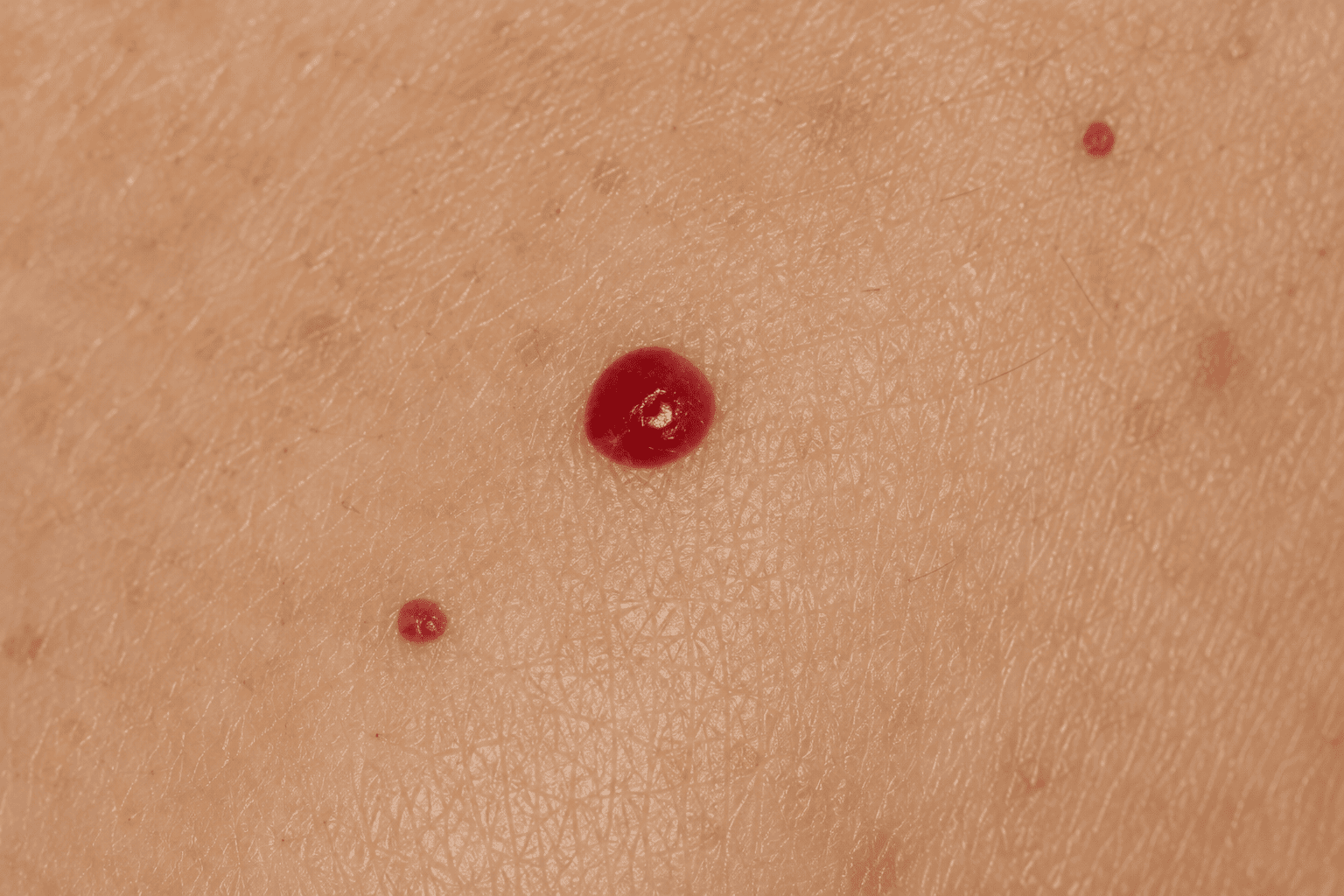
Cherry Angiomas (Red Spots)
Benign Vascular Lesions
Common on the trunk, back, and face. Precise laser targeting of blood vessels with parameters adapted to male skin for effective removal.
- Common on the trunk, back, and face
- Precise laser targeting of blood vessels
- Minimal impact on surrounding skin
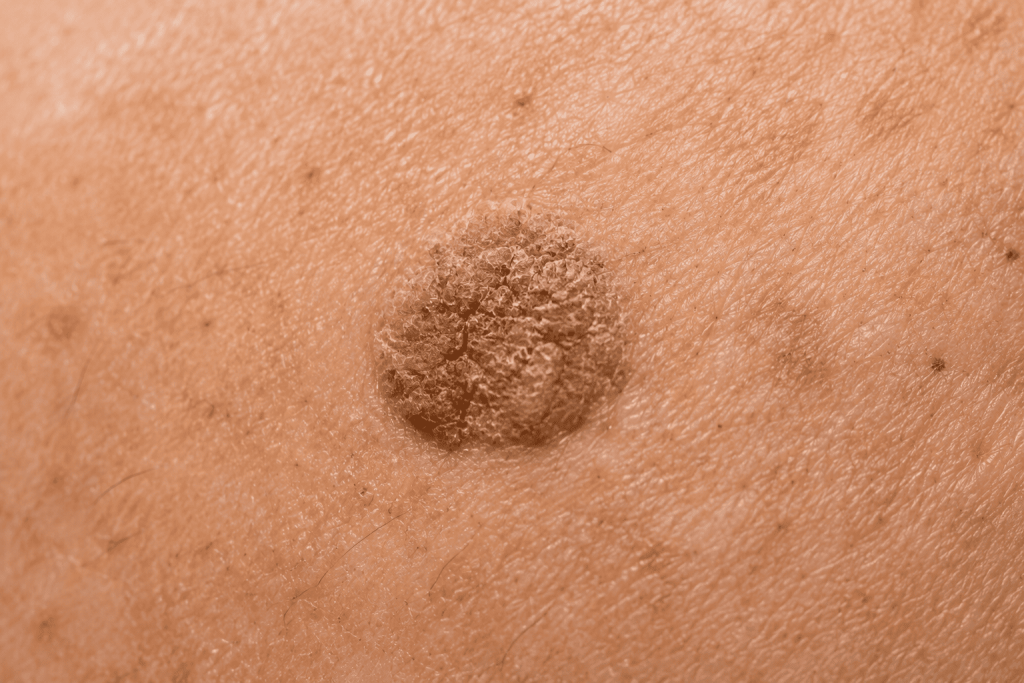
Keratosis
Keratinic Growths
Actinic keratoses are particularly common in men due to cumulative sun exposure. Laser ablation provides precise removal with settings adapted to thicker male skin.
- Seborrheic Keratoses
- Laser ablation adapted to male skin
- More even skin after healing
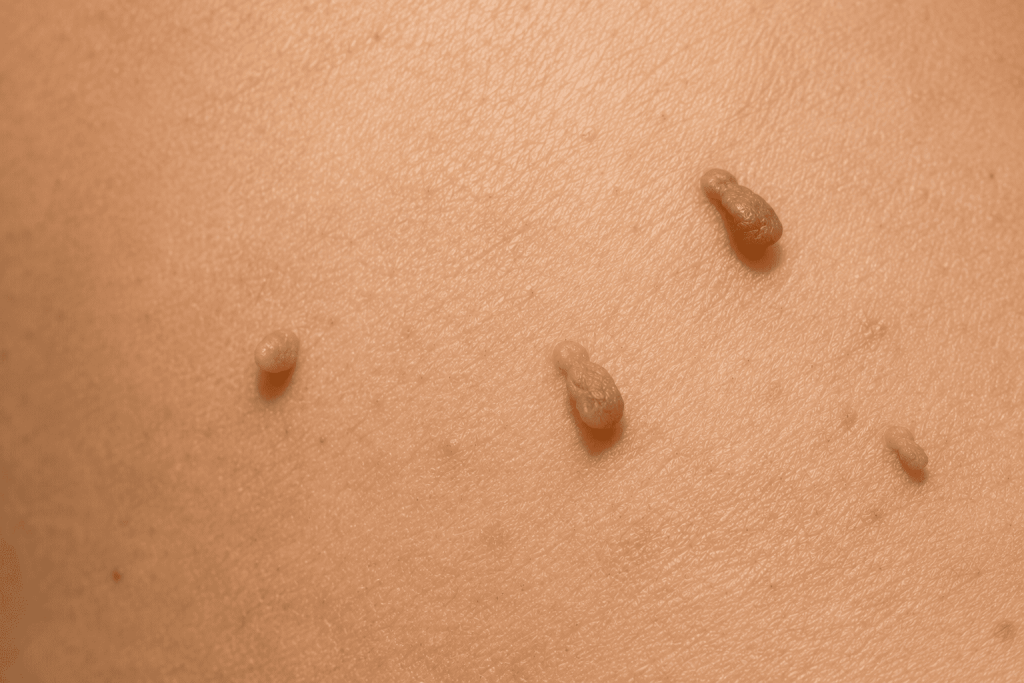
Skin Tags (Acrochordons)
Small Pedunculated Skin Growths
Skin tags are common on the neck and shaving areas in men. Targeted laser excision is generally well-tolerated with fast healing.
- Common on the neck and shaving areas
- Targeted and precise laser excision
- Generally fast healing
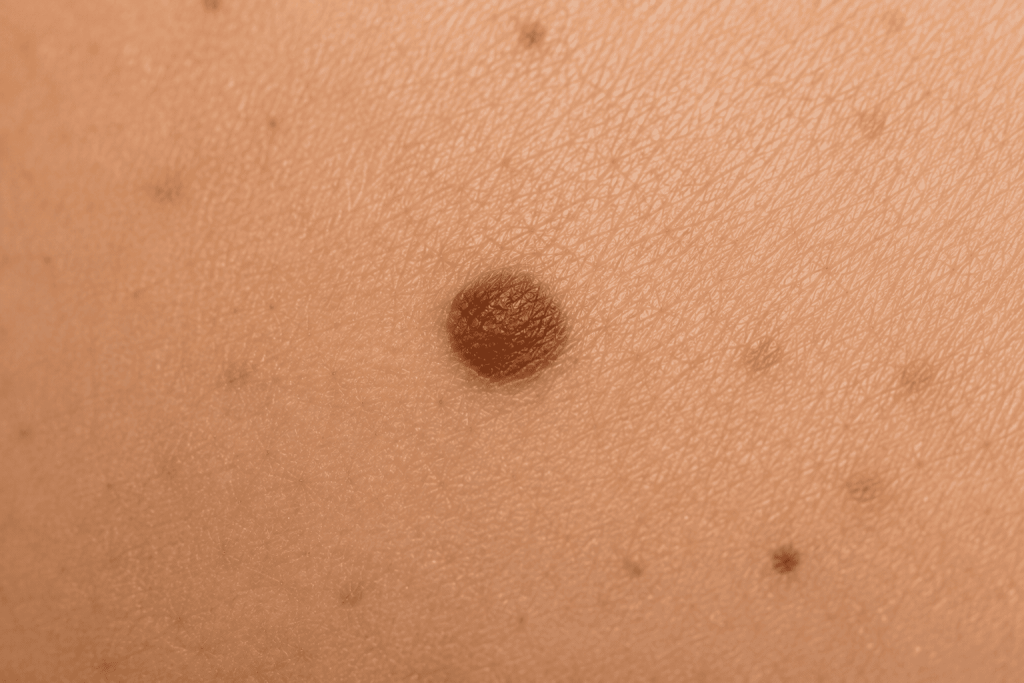
Moles (benign nevi)
Benign Pigmented Lesions
Moles require a mandatory medical evaluation before any removal — particularly important in men who monitor their pigmented lesions less frequently.
- Mandatory medical evaluation prior to removal
- Rigorous medical surveillance
- Removal when indication is confirmed
Our Recommendation
Choosing the most appropriate approach
The choice of removal method depends on several factors that our doctors will evaluate during your mandatory medical consultation:
Nature and type of lesion
Location on the face, neck, or body
Size and depth
Your phototype and skin sensitivity
Your aesthetic goals and desired recovery time
A medical consultation is mandatory before any skin lesion removal. For male patients, treatment parameters are adjusted to account for generally thicker skin. The consultation is also an opportunity to thoroughly evaluate any pigmented lesion.
Results
Before & After
Real patient results from Medispa Physimed.
These photos are provided for informational purposes only and do not constitute a guarantee of results
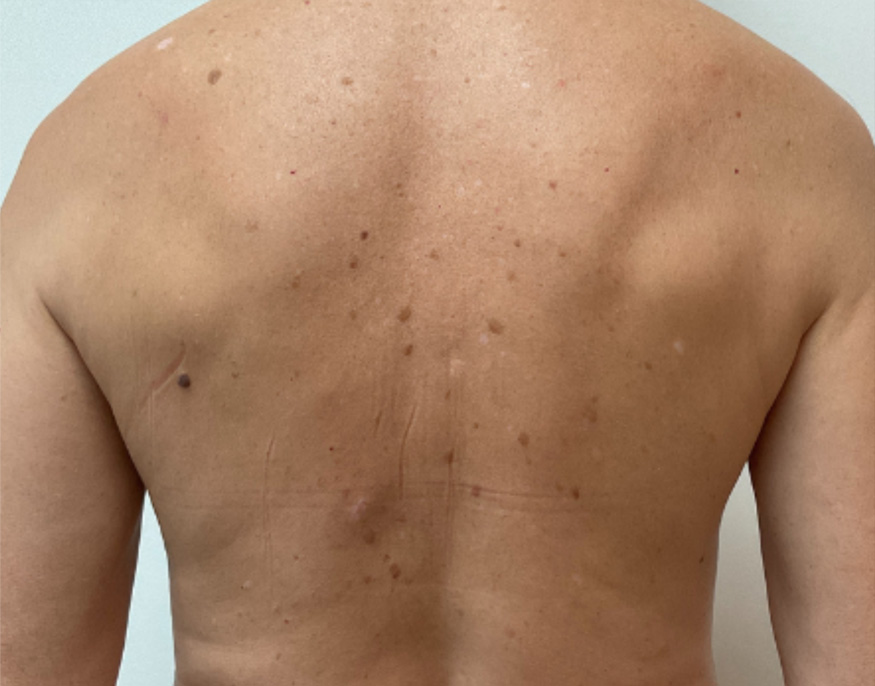 BEFORE
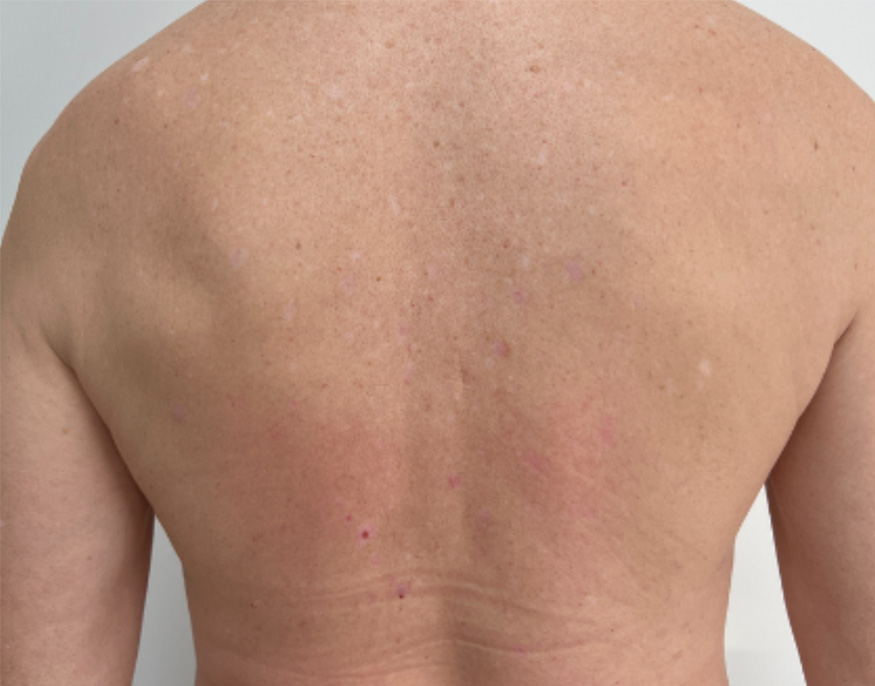 AFTER
AFTER
Keratosis
Targeted medical approaches tailored to male skin to precisely remove benign lesions while minimizing scarring.
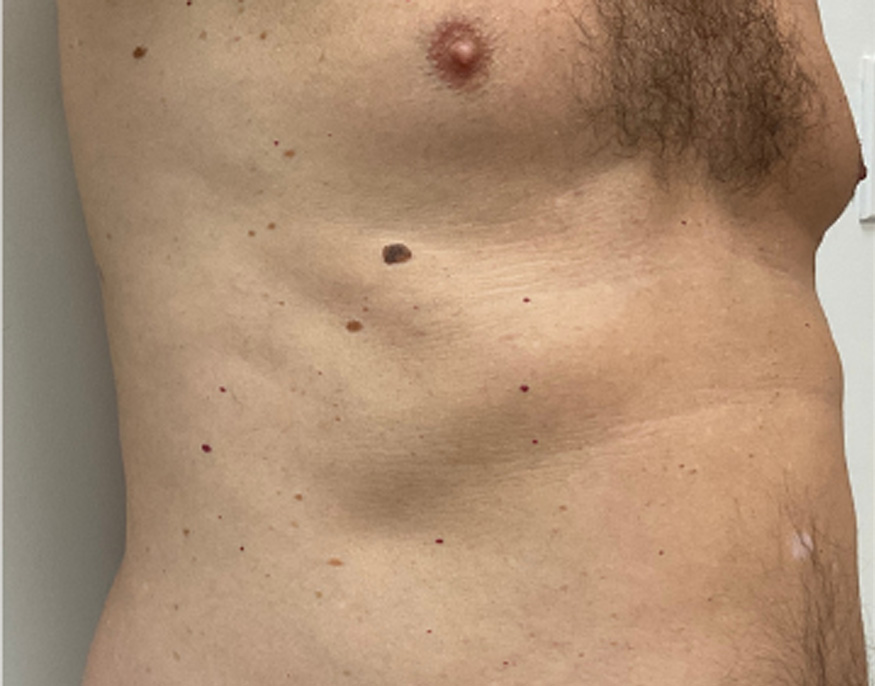 BEFORE
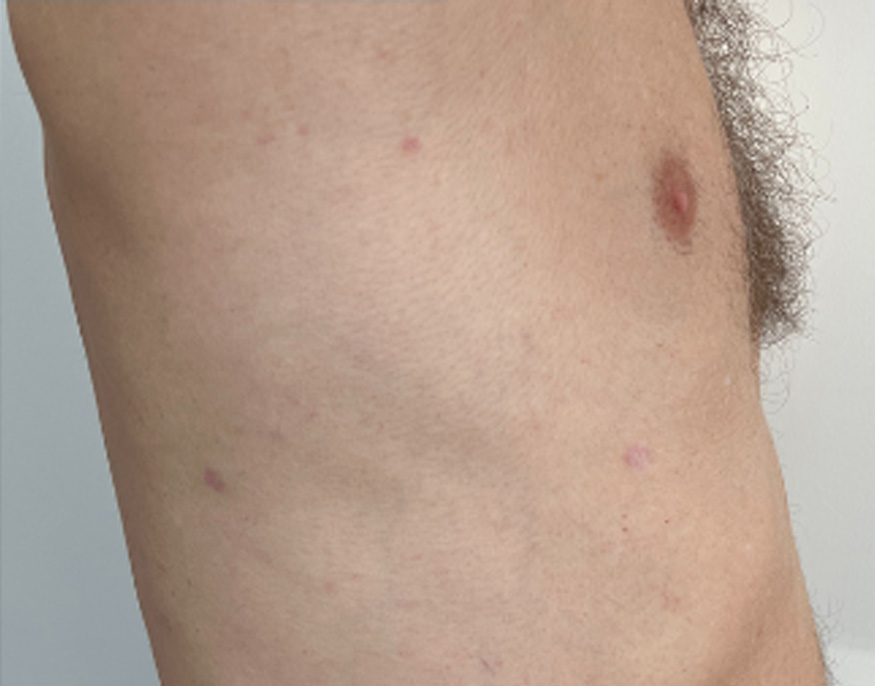 AFTER
AFTER
Keratosis
Targeted medical approaches tailored to male skin to precisely remove benign lesions while minimizing scarring.
Detailed Treatment Profiles
Detailed Treatment Profiles
Detailed information on each type of lesion and its removal approach.
Cherry Angiomas (Red Spots)
① How It Works
Cherry angiomas are common in men, particularly on the trunk, back, scalp, and face. They are formed by clusters of dilated blood vessels and are generally benign. Laser treatment uses a wavelength selectively absorbed by hemoglobin — generating heat that coagulates the vessels and triggers the gradual resorption of the lesion.
For male patients, settings are adapted to account for thicker skin to ensure effective absorption. A prior medical evaluation is mandatory.
Key information
Anesthesia
Topical numbing cream
Invasiveness
Low
Duration
A few minutes
Recovery
Minimal
Discomfort
Low
Session
Generally 1 to 2
② What to Expect
Short treatment — a few seconds to a few minutes per lesion. Mild heat sensation possible. Slight temporary redness and potential small scab. The lesion gradually fades over a few weeks.
Ideal for:
- Common male cherry angiomas
- Common male cherry angiomas
- Confirmed benign vascular lesions
③ Results
Most cherry angiomas can be reduced or eliminated after 1 to 2 sessions. Results are progressive — the lesion fades over several weeks as the body reabsorbs treated vessels.
Reduction or elimination of most cherry angiomas after 1 to 2 sessions
Keratosis
① How It Works
Actinic keratoses are particularly common in male patients due to cumulative sun exposure — often aggravated by a lack of regular sun protection. Seborrheic keratoses are linked to aging and frequently appear on the face, trunk, and back.
Laser allows precise, controlled ablation of keratinic tissue, with parameters adapted to account for thicker male skin. A prior medical evaluation is mandatory, particularly for actinic keratoses which may require specialized monitoring.
Key information
Anesthesia
Local or Topical
Invasiveness
Low
Duration
Variable
Recovery
A few days
Discomfort
Low
Session
Generally 1 main session
② What to Expect
Local anesthesia or topical cream generally applied. Brief procedure. Small scab detaches in a few days. Sun avoidance recommended.
Ideal for:
- Sun-related actinic keratoses
- seborrheic keratoses on the face and body
- Rough or thick growths
③ Results
Results are generally noticed after one session and complete healing.
Lesion generally eliminated or reduced after one session
Smoother skin surface after healing
Skin Tags (Acrochordons)
① How It Works
Skin tags are common in men — particularly on the neck, an area often exposed to shaving, as well as eyelids and skin folds. They can become irritated by clothing, ties, or shirt collars.
Laser removal uses concentrated energy to precisely cut the stalk at its base. For male patients, settings are adapted according to the area and skin thickness. Patients who shave over treated areas must avoid shaving during the healing period.
Key information
Anesthesia
Topical numbing cream
Invasiveness
Low
Duration
A few minutes
Recovery
A few days
Discomfort
Low
Session
Generally 1 session
② What to Expect
Numbing cream possible. Short treatment. Slight redness resolving quickly. Area healed in a few days. Avoid shaving during healing.
Ideal for:
- Skin tags on the neck and shaving areas
- Skin tags irritated by clothing
- Lesions on eyelids and skin folds
③ Results
Results develop progressively over several weeks
Most skin tags are permanently removed in one session.
Healing is generally fast
Favorable aesthetic result
Moles (benign nevi)
① How It Works
Moles require a rigorous medical evaluation prior to any removal — particularly important in men who monitor their pigmented lesions less frequently and see a doctor less regularly for this reason.
The medical evaluation confirms the benign nature of the lesion and rules out any suspicious signs. Once medically confirmed, the nevus can be removed by laser or another technique adapted to its characteristics.
Key information
Anesthesia
Local
Invasiveness
Low to moderate
Duration
Variable
Recovery
Variable
Discomfort
Low to moderate
Session
Generally 1 session
② What to Expect
Prior mandatory and rigorous medical evaluation. Technique adapted to the characteristics of the lesion. Local anesthesia generally applied. Medical follow-up after removal may be recommended.
Ideal for:
- Medically confirmed benign nevi
- Cosmetically bothersome moles
- Medical monitoring of pigmented lesions
③ Results
The mole can be removed with good aesthetic results
results depending on its characteristics and the chosen technique.
Ready to remove
your skin lesions?
Book your free medical consultation. Our physicians will evaluate your skin and recommend the approach best suited to your needs.